Pages

Monday, December 9, 2024

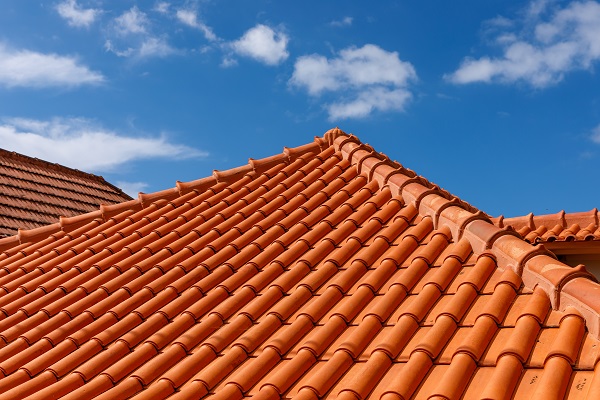
Tile Roof Maintenance Tips in Arizona

Essential Care Strategies Geo Roofing Makes to Extend the Life of Your Tile Roof in the Arizona Climate

To extend the life of your tile roof in Arizona, prioritize regular maintenance. Schedule professional inspections and repairs with your skilled roofer at Geo Roofing at least once a year to catch issues early. Although you can technically see the roof as an owner from the ground, many damages like cracks and slippage and debris are hidden except for when viewing from a  viewpoint of the actual roof itself. Use a soft-bristle broom or blower to clean away debris, avoiding high-pressure washing, which can damage tiles. Keep gutters clear to prevent clogs and ensure proper drainage. Check for signs of pest activity and maintain adequate ventilation to reduce heat buildup. Before monsoon season, secure flashing and trim overhanging branches to reduce wind damage. By following these essential care strategies, you’ll enhance your roof’s performance and longevity, with even more insights available as you explore further.

Looking to Save Big Money?

When a new home is purchased with a new roof, the owner is often made aware of the long-lifespan selling point of the roof. While this is certainly the fact, all too often the lifespan of the waterproofing (underlayment) does not enter the conversation. The vast majority of underlayments installed with new construction require replacement every 15 to 25 years. 

By staying on top of underlayment replacements with Geo Roofing, you can save your home from requiring other costly repairs to the attic, drywall, paint, and carpet in the future. 

Ask your Geo Roofing Representative about the type and condition of your existing underlayment and options for repair and replacement so you can save money in the long run.

Importance of Regular Professional Inspections with Geo Roofing

Tile Roof Scottsdale AZ

Recognizing the importance of regular professional inspections can significantly impact the longevity of your tile roof in Arizona. Scheduling inspections once a year with your skilled roofers at Geo Roofing, particularly before and after extreme weather seasons, allows you to identify issues like cracked tiles and leaks early.

Experienced inspectors can uncover hidden problems that may escape your notice, ensuring early detection and preventing costly repairs. The intense UV radiation and temperature fluctuations in Arizona contribute to climate-related damage, making these assessments essential.

Furthermore, professionals evaluate critical components such as flashing, drainage systems, and ventilation, which are vital for maintaining your roof’s health. By engaging professionals, you enhance compliance with local building codes and ensure optimal roof performance and durability.

Effective Roof Cleaning Practices Done by Geo Roofing

After ensuring your tile roof is in good condition through regular professional inspections, it’s time to focus on effective cleaning practices.

Begin by using a soft-bristle broom or blower to gently remove dust, leaves, and debris, which helps prevent moisture retention and material degradation. Avoid high-pressure washing, as it can harm the tiles.

Schedule professional cleaning every few years to tackle stubborn stains while preserving tile integrity; this should be left to your experts at Geo Roofing as part of the maintenance package. Have cleaning conducted during the cooler parts of the day to avoid thermal shock from sudden temperature changes.

Additionally, ensure proper drainage by regularly inspecting and cleaning gutters and downspouts, preventing water accumulation that could lead to significant roof issues.

Regular maintenance is key to extending your tile roof’s lifespan.

Gutter Maintenance Strategies

Maintaining your gutters is essential for protecting your tile roof and home from water damage, especially in Arizona’s unique climate.

Regular gutter maintenance should include cleaning gutters at least twice a year to prevent clogs that can lead to water accumulation.

Inspect your gutters for signs of rust, cracks, or sagging, as these issues impede proper drainage and increase the risk of water damage during heavy rains.

Make sure downspouts direct water away from your foundation and roofline to minimize pooling and potential leaks under tiles.

After monsoon seasons, clear out leaves and debris to maintain optimal drainage and prevent moisture retention.

Consider installing gutter guards to reduce cleaning frequency and enhance overall roof protection.

Routine Maintenance Essentials with Geo Roofing

To keep your tile roof in top shape, you’ll want to stay on top of scheduling routine maintenance with Geo Roofing. We will conduct regular inspections annually as part of your maintenance package, checking for damaged tiles, cracks, or any signs of water damage, especially after severe weather.

Having our professionals clean your roof regularly is crucial; we will remove debris to prevent damage to your tiles. We will ensure gutters and downspouts are clear to facilitate proper drainage, preventing water accumulation underneath the tiles.

At Geo Roofing, we will promptly replace any damaged or cracked tiles to maintain roof integrity and avoid leaks. Scheduling these professional evaluations every year helps uncover hidden issues that might need immediate attention, ensuring your tile roof remains durable and effective against the Arizona climate.

Identifying Pest Issues

How can you protect your tile roof from potential pest damage? Regular roof inspections with Geo Roofing are essential to identify signs of damage like nests, droppings, or gnaw marks that indicate pest infestations.

Our experienced roofers will focus on areas prone to pest activity, such as valleys, eaves, and spots near trees or shrubs. Keep an eye out for moisture buildup or decaying organic matter, as these conditions attract pests and encourage infestations.

Aim to have your roof inspected at least once a year, ideally in spring or fall, to catch issues early. If you notice any signs of infestation, seek professional help immediately to address the problem effectively and safely, preventing further damage to your roof and home.

Ensuring Proper Ventilation

Ensuring proper ventilation is essential for the longevity of your tile roof in Arizona’s harsh climate. Adequate attic ventilation reduces heat buildup, which helps prevent material degradation caused by excessive temperatures.

Installing ridge vents or soffit vents enhances airflow, maintaining consistent temperatures and minimizing moisture accumulation. Regularly check insulation levels to ensure effective heat management, contributing to overall energy efficiency and comfort in your home.

Effective ventilation also mitigates the risk of thermal shock from rapid temperature fluctuations, common in Arizona. Additionally, monitoring for moisture buildup in attic spaces is crucial, as excessive humidity can lead to mold growth, compromising the integrity of your roofing materials.

Prioritize proper ventilation to extend the life of your tile roof significantly.

Preparing for Monsoon Season

As the monsoon season approaches, taking proactive steps to prepare your tile roof is crucial for preventing potential damage.

Start with regular inspections to identify any loose or damaged tiles; these can lead to leaks when the monsoon season begins.

Clear gutters and downspouts to ensure proper water drainage, preventing water backup that could harm your roof and structure.

Trim overhanging branches to minimize wind damage and deter pests.

Check and secure flashing around chimneys, vents, and skylights to prevent water intrusion during intense storms.

Additionally, consider applying reflective roof coatings to enhance energy efficiency and protect against thermal shock.

For comprehensive assessments, consult the professional roofing contractors at Geo Roofing for essential roof maintenance tips tailored to your tile roof in Arizona. We value customer satisfaction.

When to Hire the Professionals at Geo Roofing

After taking the necessary steps to prepare your tile roof for monsoon season, it’s important to recognize when it’s time to call in the professionals at Geo Roofing.

If you notice water stains on ceilings or walls, missing or damaged tiles, or frequent roof leaks, don’t hesitate to reach out.

Regular maintenance and roof inspections are vital for tile roofs in Arizona, as they help identify potential issues before they escalate.

Our expert team of roofers can assess the condition of your roof and provide targeted roofing solutions, ensuring you’re extending the life of your investment. Our roofing experts offer a wide range of roofing services.

Professional roofing services we provide

  • Roof Installation in Scottsdale AZ – At Geo Roofing Company, we take pride in providing top-notch roof installation services in Scottsdale, ensuring that each roofing project is tailored to withstand the unique climate and conditions of the area. Our experienced team uses high-quality materials and meticulous craftsmanship to deliver durable and aesthetically pleasing roofs that enhance the beauty and safety of your home.
  • Roof Replacement in Scottsdale AZ– When it’s time for a roof replacement in Scottsdale, Geo Roofing is here to guide you through the process with durable materials and craftsmanship. We prioritize durability and aesthetic appeal, ensuring your new roof enhances your home’s value while standing strong against the elements.
  • Roof Repair in Scottsdale AZ– At Geo Roofing, we understand the unique challenges posed by Scottsdale’s diverse weather conditions, making timely roof repair essential to maintain your home’s integrity. Our roofing expert team specializes in diagnosing and fixing roofing issues promptly, protecting your property from further damage.

Meet the Owners: Mike Peterson

Mike Peterson Geo Roofing

Mike Peterson, a seasoned general contractor with over 35 years of experience, is part of a family legacy in the construction industry. He began his professional journey as a general laborer and steadily advanced to become a skilled journeyman in roofing and various trades. Throughout his career, he has held significant roles, including qualifying party for multiple construction licenses, as well as positions in estimating and sales. Ultimately, he rose to the position of General Manager for several well-known construction firms. 

Beyond his entrepreneurial success, Mike is also recognized for his expertise in legal advocacy and dispute resolution. He has been frequently sought after as an expert witness in both State and Federal courts, and has worked with the Pinal County District Attorney’s Office. Additionally, he is a licensed Property & Casualty Adjuster and an esteemed member of the Arizona Insurance Claims Association.

Mike is deeply committed to his community, actively supporting organizations like the American Legion, which underscores his dedication to making a meaningful difference.

Do You Need a Roof Inspection, Roof Installation, or Roof Repair Service?

Get in touch with our expert roofers today for a free estimate!

FAQs About Roofing Service

Why is regular roof maintenance important?
Regular roof maintenance is crucial to prolonging the lifespan of your roof and ensuring it remains in optimal condition. It helps identify minor issues before they escalate into costly repairs, improves energy efficiency, prevents leaks and water damage, and enhances the overall safety and aesthetic of your home. By committing to routine inspections and maintenance, you can save money in the long run and avoid major disruptions to your daily life.
How often should I schedule roof maintenance?
We recommend scheduling a professional roof inspection at least once a year—ideally in the spring or fall. Additionally, after major weather events such as storms or heavy snowfall, it’s wise to have your roof inspected for any potential roof damage. Regular maintenance allows us to spot issues early and implement necessary repairs promptly.
What specific maintenance tasks do you perform during a roof inspection?
During a roof inspection, our skilled team at Geo Roofing conducts a thorough assessment that includes checking for missing or damaged shingles, examining flashing and seals around vents and chimneys, inspecting gutters and downspouts for blockages, and identifying any signs of mold, mildew, or water damage. We also assess the overall condition of the roof structure and recommend any necessary repairs or maintenance tasks.
What are the consequences of neglecting roof maintenance?
Neglecting roof maintenance can lead to a variety of serious issues, including leaks, structural damage, mold growth, and increased energy costs due to poor insulation. Over time, small problems can worsen and lead to costly repairs or even the need for a complete roof replacement. It’s far more economical and effective to invest in regular maintenance than to deal with the aftermath of neglect.
Can I perform roof maintenance myself, or should I hire professionals?
While some basic maintenance tasks, such as cleaning gutters or removing debris, can be done by homeowners, we strongly recommend hiring roofing professionals for a thorough roof inspection and maintenance. Our trained experts have the necessary skills, tools, and safety equipment to assess your roof accurately and safely identify potential problems that may not be visible to the untrained eye. Walking on the roof yourself can easily cause damage to your roof. Investing in professional maintenance ensures that your roof receives the care it needs to protect your home.

Connect With Us

Phone: 360-726-4904

Location: 1451 E Alameda Dr, Phoenix, AZ 85024

Socials: Facebook | Instagram | YouTube


source https://www.georoofingaz.com/blog/tile-roof-maintenance-tips-in-arizona/

How Long Does a Tile Roof Last in Phoenix?

Understanding Durability and Factors Affecting Longevity in the Desert Climate

In Phoenix, tile roofs offer impressive durability, with concrete tiles lasting 40-50 years and clay tiles exceeding 100 years under proper care. Extreme heat and UV exposure can affect longevity, but regular maintenance, such as annual inspections and debris removal, plays a critical role in preserving your roof’s lifespan. Consider factors like moisture accumulation from heavy monsoon rains or temperature fluctuations that can accelerate degradation. To ensure your tile roof remains in peak condition, timely repairs and periodic underlayment replacements every 10-20 years by an experienced roofer like Geo Roofing is essential. You’ll find further insights on maximizing the life of your tile roof.

Looking to Save Big Money?

When a new home is purchased with a new roof, the owner is often made aware of the long-lifespan selling point of the roof. While this is certainly the fact, all too often the lifespan of the waterproofing (underlayment) does not enter the conversation. The vast majority of underlayments installed with new construction require replacement every 15 to 25 years. 

By staying on top of underlayment replacements with Geo Roofing, you can save your home from requiring other costly repairs to the attic, drywall, paint, and carpet in the future. 

Ask your Geo Roofing Representative about the type and condition of your existing underlayment and options for repair and replacement so you can save money in the long run.

Tile Roof Lifespan in Phoenix

Roofer in Phoenix AZ

When it comes to roofing options in Phoenix, tile roofs stand out for their impressive longevity. Typically, a tile roof lifespan in this desert climate ranges from 40 to 50 years for concrete tiles, while clay tiles can endure over 100 years with proper installation and maintenance.

The durability of tile roofs makes them ideal for harsh conditions—extreme heat and intense UV radiation are no match for their resilience.

However, regular maintenance is crucial; you should schedule inspections and consider underlayment replacement every 10 to 20 years to maximize your roof’s lifespan.

Staying vigilant for signs of damage, like cracked tiles, will help you maintain your roof’s integrity and ensure it withstands the challenges of Phoenix’s climate.

Factors Influencing Durability

Several factors significantly influence the durability of tile roofs in Phoenix’s harsh desert climate.

First, extreme temperature fluctuations cause tiles to expand and contract, leading to material degradation if you neglect regular maintenance.

Additionally, heavy rainfall during the monsoon season creates rapid temperature changes, stressing the roofing material and potentially resulting in cracks.

Moisture accumulation from occasional rain can further accelerate deterioration, especially if debris is left on the roof, trapping water.

Prolonged exposure to UV rays may cause color fading, impacting aesthetics but usually not structural integrity.

To ensure your tile roofs last, schedule regular inspections with Geo Roofing and timely repairs to combat these adverse conditions, maintaining their durability for decades to come.

Benefits of Tile Roofs

The durability and efficiency of tile roofs in Phoenix offer homeowners significant advantages in a challenging climate.

These roofs typically last between 40 to 50 years, with clay and concrete options potentially exceeding 100 years. Their natural thermal resistance and reflective properties enhance energy efficiency, helping lower your cooling costs during scorching summers.

Tile roofs also provide excellent fire resistance, making them safer in wildfire-prone areas. The built-in ventilation from individually installed tiles reduces heat buildup in attics, further improving comfort and energy savings.

To maximize these benefits, regular maintenance, including inspections and underlayment replacement projects with Geo Roofing, is essential. By prioritizing maintenance, you ensure your tile roof continues to perform well over its long lifespan, securing long-term durability and energy efficiency for your home.

Types of Tile Roofs

Homeowners in Phoenix often choose between two primary types of tile roofs: clay and concrete.

Clay tiles are renowned for their impressive durability, lasting over 100 years and exhibiting excellent fade resistance. This makes them a long-term investment for your home.

On the other hand, concrete tiles typically last between 40 to 50 years, offering a cost-effective alternative that can mimic the appearance of wood shakes or slate.

Both options excel in energy efficiency, reflecting sunlight to help maintain cooler indoor temperatures, which can significantly reduce energy costs.

Your choice of tile material not only affects the aesthetic appeal but also impacts the overall durability and longevity of your roof in the desert climate.

Maintenance Requirements

Although maintaining a tile roof in Phoenix may seem straightforward, it requires diligent attention to ensure its longevity. Regular inspections should occur at least once a year to catch broken or cracked tiles and address potential issues early.

Cleaning debris, like leaves and dirt, is crucial as it prevents moisture retention, which can lead to mold growth and deterioration of roofing materials. Additionally, consider replacing underlayment every 10-20 years for effective water protection.

After extreme weather events, professional evaluations can assess damage and determine necessary repairs. Staying vigilant for signs of wear, such as cracked tiles or accumulated debris, is essential for maintaining your roof’s integrity and maximizing its lifespan in the harsh desert climate.

Extending Roof Longevity

Regular maintenance sets the foundation for extending the longevity of your tile roof in Phoenix.

Schedule regular inspections every 1-2 years to identify early signs of damage, allowing you to address issues before they escalate. Proper installation is crucial; utilizing skilled contractors ensures that appropriate techniques are followed, maximizing your roof’s resilience against harsh conditions.

Replace the underlayment every 10-20 years to maintain effective water protection and prevent leaks. Additionally, keep your roof and gutters clear of debris to avoid moisture retention that can deteriorate roofing materials.

Timely repairs of any cracked or broken tiles are essential; addressing these promptly can significantly extend the life of your tile roof, making it a worthwhile investment for your home.

Get Your Tile Roof Installed by the Professionals at Geo Roofing

Investing in a tile roof installation is a significant decision that requires the expertise of seasoned professionals to ensure longevity and durability.

At Geo Roofing, our installation team consists of skilled professional roofing contractors who understand the unique challenges of tile roofing in Phoenix’s desert climate. We specialize in both roof replacement and new installations, offering a range of options tailored to your needs.

With our commitment to high-quality workmanship, we provide labor guarantees alongside manufacturer warranties, ensuring your investment is well-protected.

Regular maintenance and inspections are crucial, and our team is here to help you address any concerns promptly.

Trust Geo Roofing to deliver exceptional service and craftsmanship for your tile roofing project. We provide exceptional customer service.

Professional roofing services we provide

  • Roof Installation in Phoenix AZ – At Geo Roofing Company, we take pride in providing top-notch roof installation services in Phoenix, ensuring that each project is tailored to withstand the unique climate and conditions of the area. Our experienced team uses high-quality materials and meticulous craftsmanship to deliver durable and aesthetically pleasing roofs that enhance the beauty and safety of your home.
  • Roof Replacement in Phoenix AZ– When it’s time for a roof replacement in Phoenix, Geo Roofing is here to guide you through the process with top-quality materials and craftsmanship. We prioritize durability and aesthetic appeal, ensuring your new roof enhances your home’s value while standing strong against the elements.
  • Tile Roof Installation in Phoenix AZ– Tile roof installation and tile roof repair begins with a thorough roof inspection of the existing roof structure to ensure it can support the weight of the tiles.
  • Flat Roof Installation in Phoenix AZ– At Geo Roofing, we prioritize precision and quality in every flat roof installation to ensure durability and optimal performance for our clients. Our expert team utilizes the latest quality roofing materials and techniques to create a seamless, watertight barrier that meets the unique needs of each property.
  • Roof Repair in Phoenix– At Geo Roofing, we understand the unique challenges posed by Phoenix’s diverse weather conditions, making timely roofing repair essential to maintain your home’s integrity. Our expert team specializes in diagnosing and fixing issues promptly such as roof leak repair, protecting your property from further damage.

Meet the Owners: Mike Peterson

Mike Peterson Geo Roofing

Mike Peterson, a seasoned general contractor with over 35 years of experience, is part of a family legacy in the construction industry. He began his professional journey as a general laborer and steadily advanced to become a skilled journeyman in roofing and various trades. Throughout his career, he has held significant roles, including qualifying party for multiple construction licenses, as well as positions in estimating and sales. Ultimately, he rose to the position of General Manager for several well-known construction firms. 

Beyond his entrepreneurial success, Mike is also recognized for his expertise in legal advocacy and dispute resolution. He has been frequently sought after as an expert witness in both State and Federal courts, and has worked with the Pinal County District Attorney’s Office. Additionally, he is a licensed Property & Casualty Adjuster and an esteemed member of the Arizona Insurance Claims Association.

Mike is deeply committed to his community, actively supporting organizations like the American Legion, which underscores his dedication to making a meaningful difference.

Do You Need Roof Installation or Roof Repair Service?

Get in touch with our professional roofers today for a free estimate!

FAQs About Roofing Service

How long can I expect my tile roof to last in Phoenix?
Tile roofs in Phoenix can last anywhere from 30 to 50 years, depending on the quality of the materials used, installation practices, and maintenance. With proper care and regular inspections, many tile roofs can exceed their expected lifespan.
What factors influence the lifespan of a tile roof in the Phoenix climate?
The harsh desert climate of Phoenix, with its intense sun and occasional monsoon storms, can impact the durability of tile roofs. Factors such as UV exposure, temperature fluctuations, and moisture accumulation play significant roles. High-quality tiles and proper installation techniques can help mitigate these effects.
Do I need to perform regular maintenance on my tile roof to extend its lifespan?
Yes, regular maintenance is crucial for maximizing the lifespan of your tile roof. We recommend annual inspections to check for cracked or broken tiles, ensuring proper drainage, and clearing debris to prevent moisture buildup. Geo Roofing offers comprehensive maintenance plans to help keep your roof in optimal condition.
Are there signs that indicate my tile roof may need replacement sooner than expected?
Yes, there are several warning signs to watch for, including extensive cracking or chipping of tiles, significant water leaks, sagging areas, or moss and algae growth. If you notice any of these issues, it’s best to contact a roofing professional like Geo Roofing for an assessment.
How does the installation quality affect the lifespan of my tile roof?
Installation quality is one of the most critical factors in determining how long your tile roof will last. Poor installation can lead to issues such as improper water drainage and inadequate sealing, which can cause premature wear and damage. At Geo Roofing, we pride ourselves on our skilled team and high standards for installation to ensure your roof stands the test of time.

Connect With Us

Phone: 360-726-4904

Location: 1451 E Alameda Dr, Phoenix, AZ 85024

Socials: Facebook | Instagram | YouTube


source https://www.georoofingaz.com/blog/how-long-does-a-tile-roof-last-in-phoenix/

Tuesday, November 5, 2024

How do I choose the right roofing contractor for my installation?

Selecting the right roofing contractor for your roof installation is a crucial decision that can significantly impact the quality and longevity of your new roof. A well-executed installation ensures your home’s protection from the elements and enhances its overall appearance. With numerous roofing contractors available, making an informed choice is essential. In this comprehensive guide, we will explore the steps to choose the right roofing contractor for your installation, including how to find “roof installation near me,” evaluating roofing contractors, and considerations for new roof installation.

1: Research and Planning

1.1. Assess Your Roofing Needs

Begin by evaluating your roofing needs. Consider factors such as

  1. Roofing Material: Determine the type of roofing material you want for your new roof, whether it’s asphalt shingles, metal roofing, slate, tile, or another option.
  2. Budget: Establish a budget for your roof installation project. This will help you narrow down your options and find a roofing contractor that fits within your financial parameters.
  3. Roof Design and Style: Consider the architectural style of your home and the design of your new roof. Different roofing materials and styles can impact the aesthetics of your property.
  4. Local Regulations: Be aware of local building codes and regulations that may affect your roofing project, including permits and inspections.

1.2. Seek Recommendations and Conduct Online Searches

To find roofing contractors and “roof installation near me,” utilize a combination of recommendations and online searches:

  1. Ask for Recommendations: Seek recommendations from friends, family members, neighbors, or colleagues who have recently had roof installations. Personal referrals can be valuable.
  2. Online Searches: Use search engines, online directories, and review platforms to find roofing contractors in your area. Look for contractors with positive reviews and ratings.
  3. Professional Associations: Check if the roofing contractors you’re considering are members of reputable roofing associations or have certifications from roofing material manufacturers.

1.3. Create a Shortlist of Roofing Contractors

Compile a list of potential roofing contractors based on your research. Aim to have at least three to five contractors to consider.

2: Evaluating Roofing Contractors

2.1. Check Credentials and Licensing

Verify the credentials and licensing of each roofing contractor on your shortlist:

  1. Licensing: Ensure that the contractor is licensed to operate in your state or locality. Licensing requirements vary by region.
  2. Insurance: Confirm that the contractor has adequate insurance, including liability insurance and workers’ compensation coverage. This protects you from liability in case of accidents or damage during the project.

2.2. Experience and Reputation

Assess the experience and reputation of each roofing contractor:

  1. Years in Business: Consider the number of years the contractor has been in business. A well-established contractor is more likely to have a track record of successful projects.
  2. Portfolio: Request to see a portfolio of the contractor’s past roofing installations. This allows you to assess the quality and diversity of their work.
  3. References: Ask for references from previous clients and contact them to inquire about their experiences with the contractor.
  4. Online Reviews: Read online reviews and testimonials to gauge the contractor’s reputation. Look for consistent positive feedback and responsiveness to customer concerns.

2.3. Get Multiple Estimates

Contact the roofing contractors on your shortlist and request detailed estimates for your roof installation project. The estimates should include:

  1. Scope of Work: A clear description of the work to be performed, including the roofing material, removal of the old roof (if necessary), installation process, and any additional services.
  2. Materials: Specification of the roofing materials to be used, including brand, type, and quality.
  3. Timeline: An estimated timeline for the project, including start and completion dates.
  4. Pricing: A breakdown of costs, including labor, materials, permits, and any additional fees. Ensure that the estimate is comprehensive and transparent.
  5. Warranty: Information about the warranty offered by the contractor for both materials and workmanship.

2.4. Conduct Interviews

Schedule interviews or meetings with the roofing contractors to discuss your project in detail. During the interviews, consider the following:

  1. Communication: Assess the contractor’s communication skills, responsiveness, and willingness to answer your questions and address your concerns.
  2. References: Ask for additional references during the interview and contact them to gather more feedback about the contractor’s performance.
  3. Project Management: Inquire about the project management process, including who will oversee the installation and be your main point of contact.
  4. Permits and Inspections: Ensure that the contractor is familiar with local building codes and will handle the necessary permits and inspections.
  5. Timeline and Schedule: Discuss the project timeline, including start and completion dates, and ensure that it aligns with your expectations.
  6. Payment Schedule: Clarify the payment schedule, including any upfront deposits and milestone payments.

3: Considerations for New Roof Installation

3.1. Roofing Material Selection

Selecting the right roofing material is a crucial decision for your new roof installation. Consider factors such as:

  1. Durability: Choose a roofing material that offers the durability and lifespan you desire. Options vary from asphalt shingles (15-30 years) to metal roofing (50+ years) and more.
  2. Aesthetics: Consider the architectural style of your home and your personal aesthetic preferences. The roofing material should complement the overall look of your property.
  3. Climate Suitability: Take into account the local climate and weather conditions. Some roofing materials are better suited for specific climates, such as metal roofing for areas prone to high winds.
  4. Energy Efficiency: Evaluate the energy efficiency of roofing materials, especially if you want to reduce energy costs and environmental impact.
  5. Maintenance Requirements: Different roofing materials have varying maintenance needs. Consider how much upkeep you are willing to undertake.

3.2. Roof Design and Ventilation

Discuss the design and ventilation aspects of your new roof installation:

  1. Roof Pitch: The pitch or slope of your roof affects its drainage capabilities and aesthetics. Work with your contractor to determine the ideal pitch for your roofing material.
  2. Ventilation: Proper roof ventilation is essential for temperature regulation and moisture control in your attic space. Ensure that your contractor includes adequate ventilation in the design.

3.3. Permits and Inspections

Understand the permitting and inspection process for your new roof installation:

  1. Permits: Check with your local building department to determine if permits are required for your roofing project. Your contractor should assist with obtaining permits if necessary.
  2. Inspections: Be prepared for inspections at various stages of the installation process to ensure compliance with building codes.

4: Finalizing Your Choice

4.1. Review Contracts Carefully

Once you’ve selected a roofing contractor, review the contract thoroughly before signing. The contract should include:

  1. Scope of Work: A detailed description of the work to be performed, including materials, installation process, and any additional services.
  2. Timeline: An agreed-upon project schedule, including start and completion dates.
  3. Pricing: The total cost of the project, payment schedule, and any potential additional costs.
  4. Warranty: Information about the warranties provided by the contractor for both materials and workmanship.
  5. Insurance: Confirmation of the contractor’s insurance coverage, including liability and workers’ compensation.
  6. Permits: Responsibilities for obtaining necessary permits and handling inspections.

4.2. Verify Insurance Coverage

Before work begins, verify that the contractor’s insurance coverage is up to date and covers the duration of your project. This provides protection in case of accidents or damage during the installation.

4.3. Stay Informed and Communicate

Throughout the roof installation process. Maintain open and clear communication with your contractor. Stay informed about the progress and address any concerns promptly. Regular updates can help ensure a successful project.

4.4. Final Inspection and Walkthrough

After the new roof installation is complete, schedule a final inspection and walkthrough with your contractor. This allows you to assess the quality of the work and ensure that everything has been completed to your satisfaction.

Conclusion

Choosing the right roofing contractor for your new roof installation is a significant decision that involves careful research and evaluation. Assess your roofing needs, seek recommendations, and create a shortlist of contractors. Evaluate their credentials, experience, and reputation, and request detailed estimates for your project. Consider the factors that impact your new roof installation, such as roofing material selection, design, and permits.

Ultimately, your choice of contractor should align with your budget, needs, and preferences. Thoroughly review contracts, verify insurance coverage, and maintain open communication throughout the project. By following these steps and making an informed decision, you can ensure a successful and long-lasting roof installation that enhances the protection and value of your home.


source https://www.georoofingaz.com/blog/how-do-i-choose-the-right-roofing-contractor-for-my-installation/

How can I prepare my home for roof installation?

Roof replacement is a significant home improvement project that can enhance the protection, aesthetics, and value of your property. Proper preparation before roofing installation is crucial to ensure a smooth and successful process. This comprehensive guide will walk you through the steps to prepare your home for roof installation. From finding reputable roofing installers to making necessary arrangements, we’ll cover everything you need to know.

1: Finding Reputable Roofing Installers

1.1. Research Local Roofing Installers

Start your preparation by researching and identifying reputable roofing installers in your area. Here’s how to find the right professionals:

  1. Ask for Recommendations: Seek recommendations from friends, family members, neighbors, or colleagues who have recently had roof replacement projects. Personal referrals can provide valuable insights.
  2. Online Searches: Utilize online search engines and directories to find roofing installation services in your locality. Pay attention to customer reviews and ratings.
  3. Check Credentials: Verify the credentials of potential roofing installers, including their licenses, insurance coverage, and certifications. Licensing requirements vary by region, so ensure they meet local regulations.

1.2. Request Estimates

Contact multiple roofing installers to request detailed estimates for your roof replacement project. These estimates should include:

  1. Scope of Work: A comprehensive description of the work to be performed, including the removal of the existing roof (if necessary), installation of new materials, and any additional services.
  2. Materials: Specifications for the roofing materials to be used, including brand, type, and quality. Discuss your preferences and consider energy-efficient options if desired.
  3. Timeline: An estimated timeline for the project, including the projected start date and anticipated completion date.
  4. Pricing: A breakdown of costs, including labor, materials, permits, disposal of old roofing materials, and any additional fees. Ensure that the estimate is clear and transparent.
  5. Warranty: Information about the warranties offered by the contractor for both materials and workmanship.

2: Making Preparations

2.1. Determine Your Roofing Material:

Choose the type of roofing material you want for your roof replacement project. Common options include:

  1. Asphalt Shingles: Versatile and cost-effective, asphalt shingles come in various styles and colors.
  2. Metal Roofing: Known for durability and energy efficiency, metal roofs can last 50 years or more.
  3. Slate or Tile Roofing: These materials provide a timeless and elegant appearance but can be heavier and more expensive.
  4. Wood Shingles or Shakes Offer a natural and rustic look, but they require regular maintenance.

2.2. Obtain Necessary Permits

Check with your local building department to determine if permits are required for your roof replacement project. Roofing installation often involves compliance with local building codes and regulations, and securing the necessary permits is essential.

2.3. Clear the Work Area

Before roofing installers arrive, clear the work area around your home to ensure safety and efficiency:

  1. Move Vehicles: If you have vehicles in your driveway or near the work area, relocate them to a safe and accessible location.
  2. Secure Outdoor Items: Remove or secure outdoor furniture, potted plants, and other items near the work area to prevent damage.
  3. Trim Trees and Branches: Trim any overhanging tree branches that could obstruct the work or potentially fall on your home.
  4. Create Access: Ensure that there is clear and unobstructed access to the work area, including a path for roofing materials and equipment.

3: Interior Preparations

3.1. Protect Your Belongings

Roof replacement can create vibrations and disturbances that may affect the interior of your home. Take steps to protect your belongings:

  1. Cover Furniture: Cover furniture and valuable items with drop cloths or plastic sheets to shield them from dust and debris.
  2. Remove Wall Decorations: Take down wall decorations, artwork, and fragile items to prevent potential damage from vibrations.
  3. Secure Ceiling Fixtures: If you have ceiling fixtures or fans, secure them to prevent movement during the roof replacement.

3.2. Create a Containment Area

Consider creating a containment area within your home to minimize dust and debris intrusion:

  1. Seal Off Rooms: Close doors to rooms adjacent to the work area and use plastic sheeting or tarps to seal off doorways and vents.
  2. Protect HVAC Systems: Cover HVAC vents and ducts to prevent dust from circulating through your home.
  3. Temporary Relocation: If possible, relocate to an unaffected area of your home or stay elsewhere during the roof replacement for added comfort.

4: Exterior Preparations

4.1. Prepare the Exterior

Your home’s exterior may require some preparations before roof replacement:

  1. Trim Overhanging Branches: Trim tree branches that overhang the roof to provide clear access for roofing installers.
  2. Disconnect Satellite Dishes or Antennas: If you have satellite dishes or antennas mounted on your roof, disconnect and remove them temporarily.
  3. Remove Loose Items: Remove items like outdoor decorations, flags, or signs that are attached to the roof or siding.

4.2. Protect Landscaping

Your landscaping can be impacted during roof replacement, so take steps to protect it:

  1. Cover Plants: Cover delicate plants, shrubs, or flowers near the work area with sheets or plastic to shield them from falling debris.
  2. Relocate Planters: Move potted plants and containers away from the work zone to prevent damage.
  3. Communicate with Roofing Installers: Discuss the location of any sensitive landscaping elements with the roofing installers to ensure they are aware of potential concerns.

5: Safety Precautions

5.1. Prioritize Safety

Safety is paramount during a roof replacement project:

  1. Keep Children and Pets Safe: Ensure that children and pets are kept away from the work area to prevent accidents.
  2. Stay Informed: Communicate with the roofing installers to understand their safety protocols and follow any instructions they provide.
  3. Secure Ladders: If you have ladders on your property, secure them to prevent unauthorized access to the roof.
  4. Monitor the Work Area: Periodically inspect the work area to ensure that safety precautions are being followed.

6: Final Preparations

6.1. Communicate with Roofing Installers:

Maintain open communication with your chosen roofing installers throughout the project. Discuss any specific requirements, expectations, or concerns you may have.

6.2. Arrange for Waste Disposal

Determine how the old roofing materials will be disposed of. Your roofing contractor should have a plan for waste disposal, which may involve a dumpster or other appropriate means.

6.3. Plan for Inclement Weather

Roof replacement projects can be affected by adverse weather conditions. Have a contingency plan in place in case of rain or storms. Roofing installers will typically cover the work area if adverse weather is expected.

Conclusion

Preparing your home for roof installation is a critical step in ensuring a successful and smooth project. Finding reputable roofing installers, obtaining necessary permits, and protecting your interior and exterior are essential aspects of preparation. Prioritizing safety and maintaining open communication with roofing professionals throughout the process will contribute to a successful roof replacement that enhances the overall quality and value of your home.


source https://www.georoofingaz.com/blog/how-can-i-prepare-my-home-for-roof-installation/

Do I need a permit for roof repairs?

Roof repairs are a common home maintenance task that can help extend the life of your roof and protect your home from water damage. However, one question that often arises is whether you need a permit for roof repairs. This comprehensive guide will provide you with the information you need to understand when a permit may be required for roof repairs, the associated costs, and how to work with a roofing company to ensure compliance with local regulations.

1: Understanding Roof Repairs

1.1. Types of Roof Repairs

Roof repairs encompass a wide range of tasks, from fixing minor leaks to replacing damaged shingles or flashing. Common roof repairs include:

  1. Patching leaks or holes in the roof.
  2. Replacing damaged or missing shingles.
  3. Repairing or replacing damaged flashing around chimneys or vents.
  4. Fixing damaged gutters or downspouts.
  5. Addressing problems with roof ventilation.

1.2. Importance of Timely Roof Repairs

Timely roof repairs are crucial to prevent further damage to your home. Neglecting small issues can lead to more extensive and costly repairs down the line. Additionally, a well-maintained roof can help improve energy efficiency and extend the lifespan of your roofing materials.

2: Do You Need a Permit for Roof Repairs?

2.1. Permit Requirements Vary

Whether you need a permit for roof repairs depends on several factors, including local building codes, the scope of the repair work, and the regulations of your municipality. Permit requirements can vary significantly from one location to another.

2.2. Considerations for Permit Requirements

Here are some factors to consider when determining if a permit is needed for your roof repair:

  1. Local Building Codes: Check with your local building department or city planning office to understand the specific requirements in your area. Building codes can dictate whether permits are necessary for certain types of roof repairs.
  2. Scope of Work: The extent of the repair work may influence permit requirements. Minor repairs like patching small holes or replacing a few shingles may not typically require permits. However, more extensive repairs or roof replacements are more likely to necessitate permits.
  3. Structural Changes: If your roof repair involves structural changes, such as modifying the roofline or adding new roof features, permits are more likely to be required.
  4. Historic Districts: If your home is located in a historic district, additional regulations and permit requirements may apply to ensure that repairs maintain the historical integrity of the property.

2.3. Consult with a Roofing Company

When in doubt about whether a permit is needed for your roof repairs, it’s advisable to consult with a professional roofing company. Experienced roofing contractors are familiar with local regulations and can help you navigate the permitting process if necessary.

3: The Permitting Process

3.1. Contact Your Local Building Department

If you determine that a permit is required for your roof repairs, the next step is to contact your local building department. Here’s how to proceed:

  1. Visit or Call: Locate the nearest building department office or call them to inquire about the permit application process for roof repairs.
  2. Gather Information: Prepare details about your project, including the scope of work, materials to be used, and the roofing company you plan to hire.
  3. Request Permit Application: Request the appropriate permit application form and any supporting documentation required.

3.2. Submit Your Permit Application

Complete the permit application with accurate and detailed information. The application typically includes:

  1. Project Description: Describe the roof repair work you intend to undertake.
  2. Contractor Information: Provide the contact information and license details of the roofing company you plan to hire.
  3. Materials and Specifications: Include information about the roofing materials to be used and any structural changes, if applicable.
  4. Fees: Be prepared to pay the permit fees associated with your project. These fees can vary depending on the scope of work and local regulations.

3.3. Wait for Approval

After submitting your permit application, the building department will review it to ensure compliance with local building codes and regulations. The review process can take several weeks, so it’s important to plan accordingly.

3.4. Schedule Inspections

Once your permit is approved, the building department will typically require inspections at various stages of the roof repair project. Common inspection points include:

  1. Inspection Before Work: An initial inspection to ensure that the project is in compliance with the approved permit.
  2. Mid-Project Inspection: An inspection during the course of the work to verify that it is being completed according to the permit and local regulations.
  3. Final Inspection: A final inspection to confirm that the roof repairs have been completed in accordance with the permit and that the work meets safety and quality standards.

3.5. Obtain a Certificate of Completion

After the final inspection and approval, you will receive a certificate of completion or a similar document from the building department. This certificate serves as proof that your roof repairs were done in compliance with local regulations.

4: Costs Associated with Permits

4.1. Permit Fees

The cost of permits for roof repairs can vary widely depending on your location and the scope of the project. Permit fees are typically based on the value of the work being done. Smaller repair projects may have lower permit fees, while larger projects may incur higher costs.

4.2. Additional Costs

In addition to permit fees, consider other potential costs associated with obtaining permits for roof repairs:

  1. Contractor Fees: Some roofing companies may charge a fee for handling the permitting process on your behalf.
  2. Inspection Fees: Inspections at various stages of the project may incur additional fees.
  3. Plan Review Fees: In some cases, the building department may charge a fee for reviewing your permit application and plans.

4.3. Budgeting for Permits

When planning your roof repair project, be sure to budget for permit costs. Your roofing company can provide you with an estimate that includes the permit fees and any associated expenses. Keep in mind that complying with local regulations is essential for a successful and safe roof repair.

5: Benefits of Obtaining Permits

5.1. Legal Compliance

Obtaining the required permits ensures that your roof repairs are conducted in accordance with local building codes and regulations. This legal compliance is essential to avoid potential fines or legal issues in the future.

5.2. Safety

Permitting authorities often require inspections to verify that the work meets safety standards. This helps ensure that your roof repairs are completed safely and that your home remains structurally sound.

5.3. Insurance Coverage

In some cases, insurance companies may require proof of permits and inspections for roof repairs to cover any related damage or issues in the future. Having the necessary permits can help protect your investment and ensure that your insurance coverage remains valid.

5.4. Home Value

When it comes time to sell your home, having permits for previous roof repairs can provide peace of mind to potential buyers. It demonstrates that the work was done correctly and in compliance with local regulations, potentially increasing the value of your property.

Conclusion

While not all roof repairs require permits, it’s essential to understand when they are necessary to comply with local building codes and regulations. Consulting with a professional roofing company can help you navigate the permitting process and ensure that your roof repairs are completed safely and in compliance with all relevant regulations. Budgeting for permit fees and associated costs is an important aspect of planning your roof repair project, and the benefits of obtaining permits extend beyond legal compliance to safety, insurance coverage, and home value.


source https://www.georoofingaz.com/blog/do-i-need-a-permit-for-roof-repairs/

Can I repair my roof myself?

Maintaining your roof is a crucial part of homeownership, as it protects your house and belongings from the elements. While many home improvement projects can be tackled independently, roof repair is a significant undertaking that requires careful consideration. In this comprehensive guide, we will explore the factors to consider when deciding whether to repair your roof yourself or hire a professional roofing contractor or roofing company. We’ll also discuss various aspects of DIY roof repair and how to safely fix roof damage.

1: Factors to Consider

1.1. Roofing Expertise

One of the first factors to consider is your level of expertise in roofing. Repairing a roof requires specialized knowledge, skills, and experience. If you have no prior experience in roofing, it’s essential to think twice before attempting a DIY repair, especially for complex issues.

1.2. Roof Type and Material

Different types of roofs (e.g., asphalt shingles, metal, tile, or flat roofs) require specific repair techniques and materials. Familiarity with the type of roof you have is essential for a successful DIY repair.

1.3. Extent of Damage

Assess the extent of the roof damage. Small, isolated issues, such as a single missing shingle, may be within your capabilities to repair. However, extensive damage, such as large sections of damaged shingles or structural problems, often requires professional intervention.

1.4. Safety Concerns

Roof repair can be hazardous, especially if you’re not equipped with the necessary safety gear and knowledge. Falling from a roof can lead to severe injuries. Be honest about your ability to work safely at heights before attempting a DIY repair.

1.5. Tools and Equipment

Roof repair often necessitates specific tools and equipment, such as roofing nails, sealants, roofing cement, safety harnesses, and ladders. Ensure you have access to the required tools and are proficient in their use.

1.6. Building Codes and Permits

Roof repair projects may require compliance with local building codes and permits. Professionals are typically well-versed in these regulations, but homeowners may need to navigate them independently when doing DIY repairs.

2: DIY Roof Repair Basics

2.1. Roof Inspection

Before attempting any repairs, thoroughly inspect your roof. Look for signs of damage, such as missing shingles, cracked or curled shingles, damaged flashing, or leaks. Document the extent of the damage to guide your repair efforts.

2.2. Gather Materials

Based on your inspection, gather the necessary materials for the repair. This may include replacement shingles, roofing nails, sealants, and appropriate safety gear.

2.3. Safety Precautions

Safety should be a top priority in any DIY roof repair project. Always use appropriate safety equipment, including a safety harness or roofing ladder. Ensure the ladder is stable and securely placed on a level surface.

2.4. Repairing Missing Shingles

If you’re dealing with a single missing shingle, carefully remove any remaining nails from the damaged area. Slide the new shingle into place and secure it with roofing nails. Seal the edges with roofing cement for added protection.

2.5. Fixing Leaks

Roof leaks can be challenging to pinpoint. Begin by identifying the source of the leak inside your home, then trace it back to the corresponding area on the roof. Repair the damaged section by replacing shingles, flashing, or using roofing cement to seal the leak.

2.6. Damaged Flashing

Flashing is essential for preventing water penetration around roof features like chimneys and vents. If your flashing is damaged, remove the old material and install new flashing, securing it with roofing nails and sealing it with roofing cement.

2.7. Temporary Repairs

In some cases, you may need to make temporary repairs to prevent further damage until a professional can assess and address the issue. Tarping or using roofing cement to seal a damaged area can provide temporary protection.

3: When to Hire a Roofing Contractor or Roofing Company

3.1. Extensive Damage

If your roof has extensive damage, it’s generally best to hire a professional roofing contractor or roofing company. They have the expertise and resources to handle large-scale repairs or roof replacements efficiently.

3.2. Structural Issues

Structural problems with your roof, such as sagging or widespread water damage, require the attention of professionals. Attempting to repair structural issues without the necessary expertise can be dangerous.

3.3. Roof Replacement

When your roof has reached the end of its lifespan or has sustained extensive damage, a full roof replacement may be necessary. This is a complex and labor-intensive task that should be entrusted to experienced roofing professionals.

3.4. Warranty Considerations

If your roof is under warranty, DIY repairs may void the warranty. Roofing contractors and companies are often certified to work on specific roofing materials and can perform repairs without affecting the warranty.

3.5. Safety

Safety is paramount when working on a roof. Roofing professionals are trained to work at heights safely and are equipped with the necessary safety gear and insurance coverage.

3.6. Building Codes and Permits

Navigating local building codes and obtaining the required permits can be challenging for homeowners. Roofing contractors and companies are well-versed in these regulations and can ensure compliance.

4: How to Choose a Roofing Contractor or Roofing Company

4.1. Research and Recommendations

Start by researching local roofing contractors or companies. Seek recommendations from friends, family, or neighbors who have had positive experiences with roof repair services.

4.2. Credentials and Licensing

Verify that the roofing contractor or company is licensed, bonded, and insured. This protects you from liability in case of accidents or damage during the repair process.

4.3. Experience and Specialization

Choose a contractor or company with experience in the type of roof you have and the specific repairs needed. Specialization in the relevant roofing material can ensure the best results.

4.4. References and Portfolio

Ask for references from previous clients and review their portfolio of completed projects. This allows you to gauge the quality of their work and customer satisfaction.

4.5. Written Estimates

Request written estimates from multiple contractors or companies. Compare the scope of work, materials, and pricing to make an informed decision.

4.6. Warranty

Inquire about the warranty offered for their work. A reputable contractor or company should provide a warranty on both materials and labor.

Conclusion

In conclusion, the decision to repair your roof yourself or hire a professional roofing contractor or roofing company depends on various factors, including your expertise, the extent of damage, and safety considerations. Small, manageable repairs like replacing a few missing shingles can often be tackled as DIY projects, provided you have the necessary knowledge and equipment.

However, for extensive damage, structural issues, or roof replacements, it’s advisable to entrust the task to experienced professionals. They have the expertise to handle complex repairs safely and effectively, ensuring the long-term integrity of your roof.

Regardless of your choice, prioritize safety and follow best practices for roof repair. Regular roof inspections and timely repairs are essential for prolonging the life of your roof and protecting your home from potential damage.


source https://www.georoofingaz.com/blog/can-i-repair-my-roof-myself/

Tile Roof Maintenance Tips in Arizona

Essential Care Strategies Geo Roofing Makes to Extend the Life of Your Tile Roof in the Arizona Climate To extend the life of your tile ro...